Cyber Safety Tips for Summer Travel
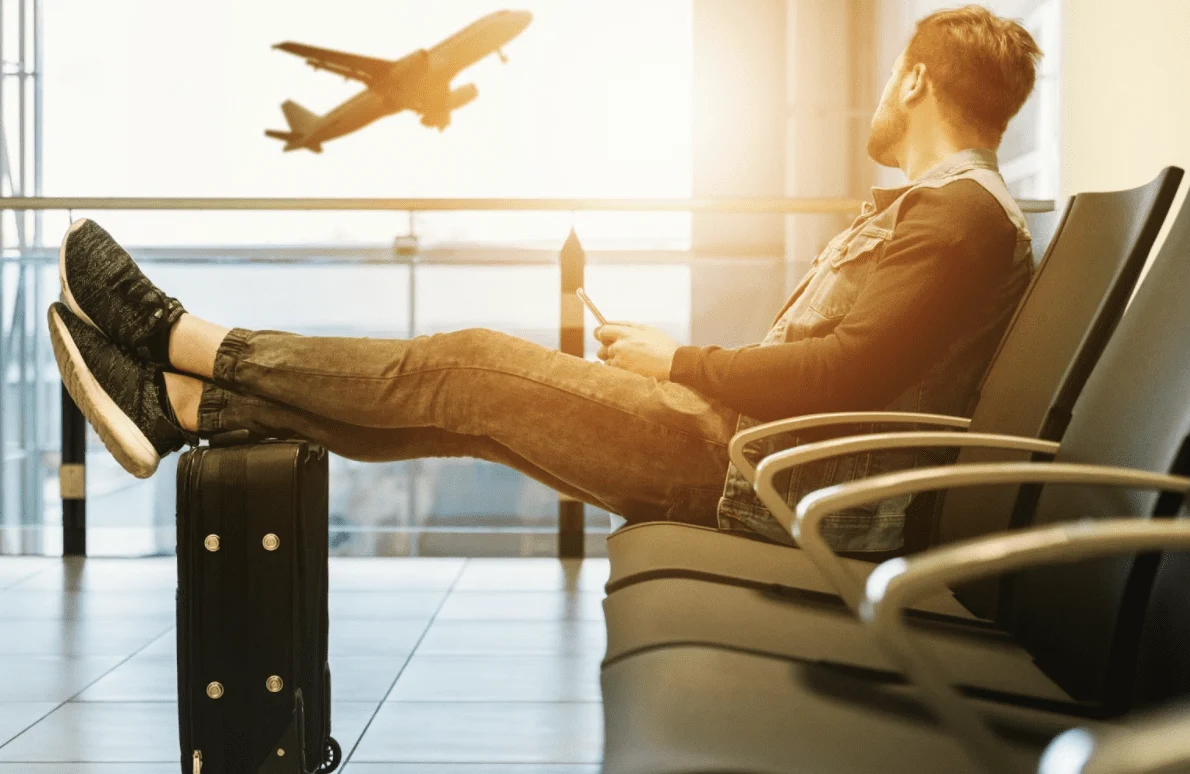
After more than a year of travel restrictions and hesitations, 62% of Americans now feel comfortable taking a vacation, according to the U.S. Travel Association. In fact, flights, tourism and travel spending are all on the rise, slowly approaching pre-pandemic levels.
If you’re one of the many Americans eagerly booking flights and accommodations, congrats! We hope you, as they say, HAGS (Have a Great Summer). But don’t forget that though the threat of the coronavirus is being minimized, there are still other precautions to take when it comes to traveling safely.
Cybercrime is continuing to rise as hackers have learned to take advantage of remote workers plugging in from new, unsecure locations all over the country. Security awareness is now more important than ever, and that statement is multiplied for people who are traveling. Here are things to consider and tips for keeping safe on the go.
Physical Device Security
When you’re on the move, you have to think not only about digital cybersecurity threats, but physical ones. Theft, in-person snooping, and other forms of infiltration that can result when your devices are left out in the open. Never leave your devices — laptops, phones, tablets, etc. — unattended in public areas, and be careful leaving devices with sensitive information open around children. If your laptop is stolen, the last line of defense is data encryption, which makes it much more difficult for the thief to access information. Learn more about physical security here.
Airport/Public Space Security
In airports, cafes and public spaces, be careful about connecting to unsecured networks. Use a VPN when possible and encrypt your files. Ensure that all of your devices are up-to-date with the latest anti-virus protection. One thing in particular to be on the lookout for is “juice-jacking,” which occurs when hackers break into travelers’ phones through the public charging cables at airports. Try to use your own charging devices at all times. Learn more about travel security here and here.
Imposter Scams
Another cyberthreat to look out for is impostor scams with travel offers. Sometimes it’s a fake AirBnB or rental property, or a fake site offering cheap flights. These websites are becoming increasingly sophisticated, making it even more difficult to tell if the person you’re giving your passport details to or sending your booking deposit to are legitimate. When possible, try to book from trusted, secure websites and check the URL and web page for anything that looks off (i.e. a url that isn’t “.com” or has typos). Learn more about vacation imposter scams here.