Zoom Retrospective: What We Learned About Secure Video Calls
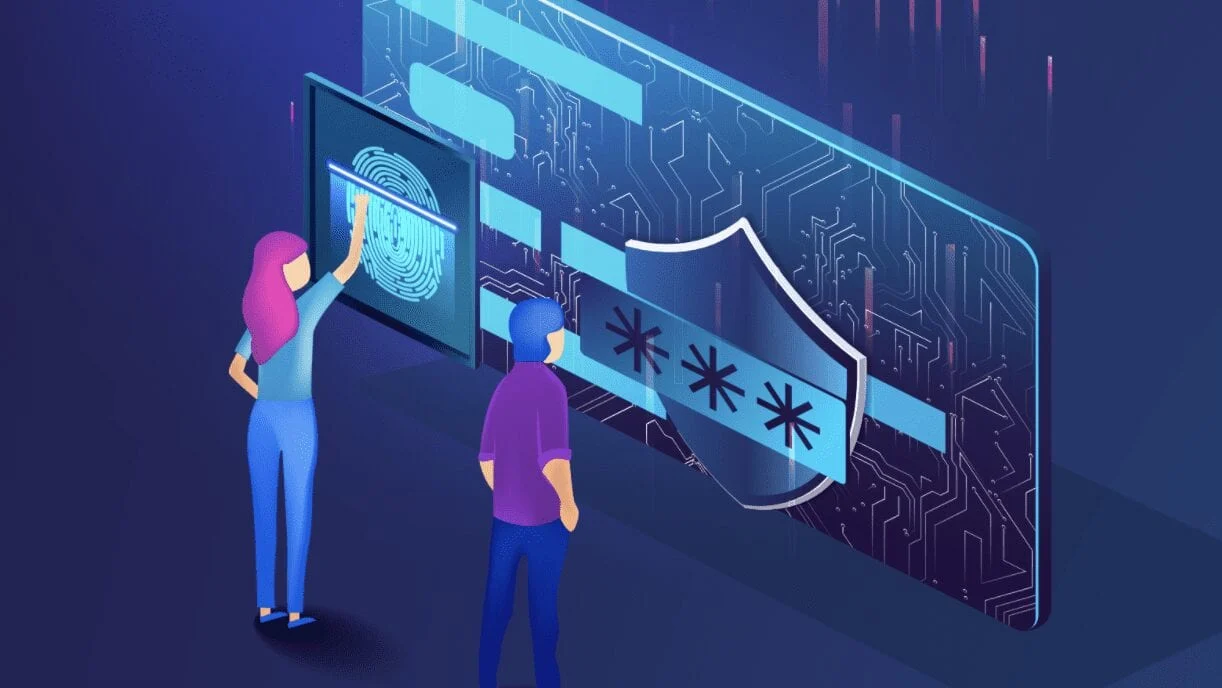
Who are you really sharing information with when you log onto a video call? Are you exposing more than just the inside of your home office?
An influx of users to Zoom in 2020 shed light on the vulnerability of the video teleconferencing platform as more and more users found themselves victims of cyberattacks. Months into the pandemic and the widespread shift to remote work, cybersecurity intelligence company Cyble discovered that it was remarkably easy and cheap to purchase more than 500,000 stolen Zoom credentials on a hacking forum.
Observing this trend, NINJIO recently published a report highlighting the number one reason Zoom accounts get hacked: easily guessable passwords. We put together a list of tips to help employees keep their Zoom accounts, home networks, and personal data safe while working remotely. For example:
-
Employees should only use passwords that are unique and complex. Every account should have its own password, and each of those passwords should be sufficiently complex.
Use a password manager like LastPass or 1Password. You can feel more confident about keeping track of all of your unique and complex passwords.
Be careful with how and where you enter usernames, passwords, and other sensitive information. Never enter passwords or other sensitive information while on networks you don’t trust and use a VPN while on public WiFi.
Read the full report here.